Garnet Series
Based on a series of specimens from various locations
This was going to be a post about a model of one specific garnet crystal, but as I was getting that model out to photograph it, I realized that I actually had a nice series of four simple models representing a range of common habits in garnet crystals. These models weren’t planned together, so they aren’t all the same size or type of wood, but I think it’s useful to consider them as a group because they illustrate common habits that most collectors will be familiar with. Taken together, they illustrate the way the two most common forms in garnet crystals, the rhombic dodecahedron and the trapezohedron, can combine in different proportions.
To start off with, here is the rhombic dodecahedron model with a matching specimen in the same orientation.
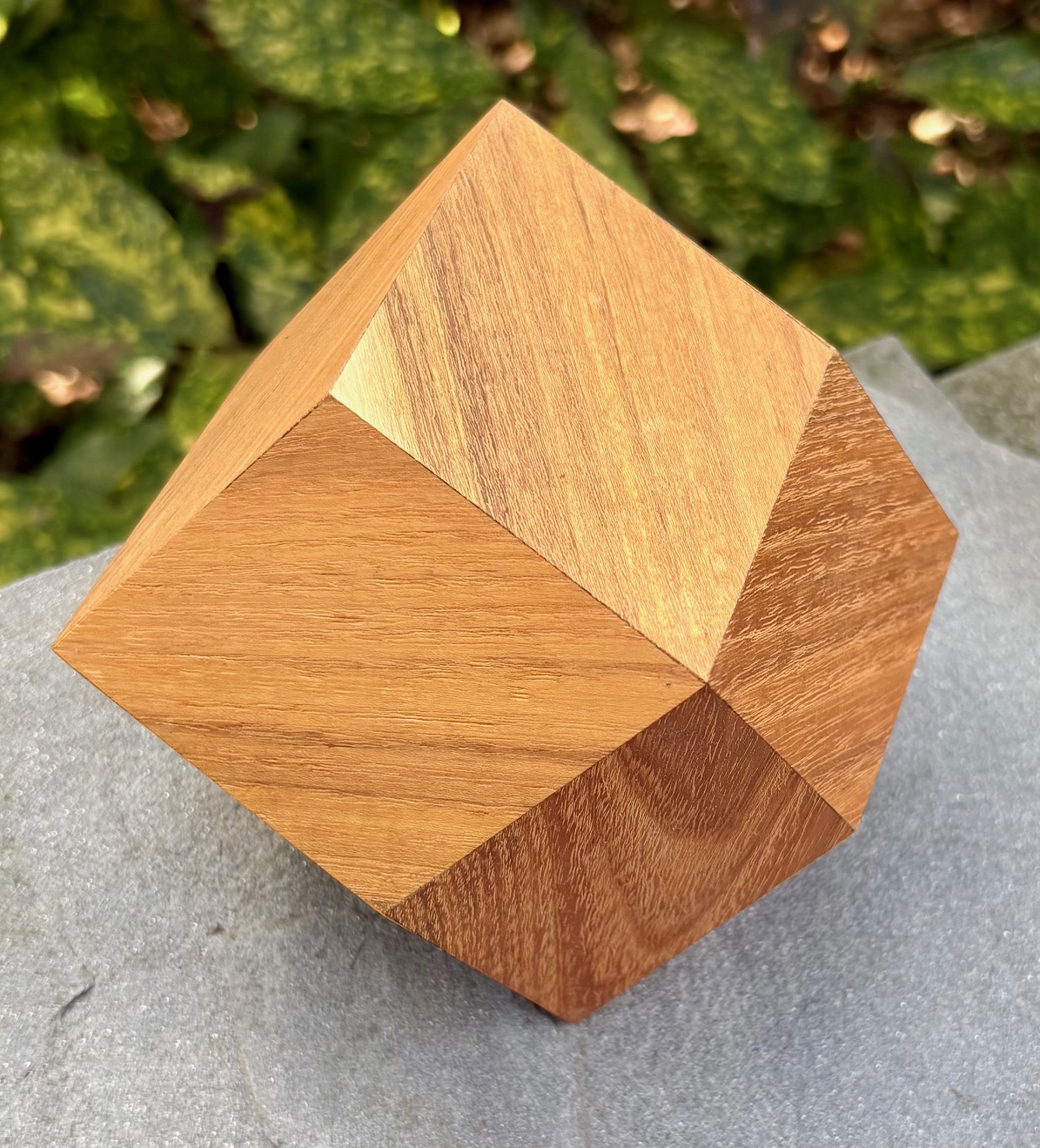
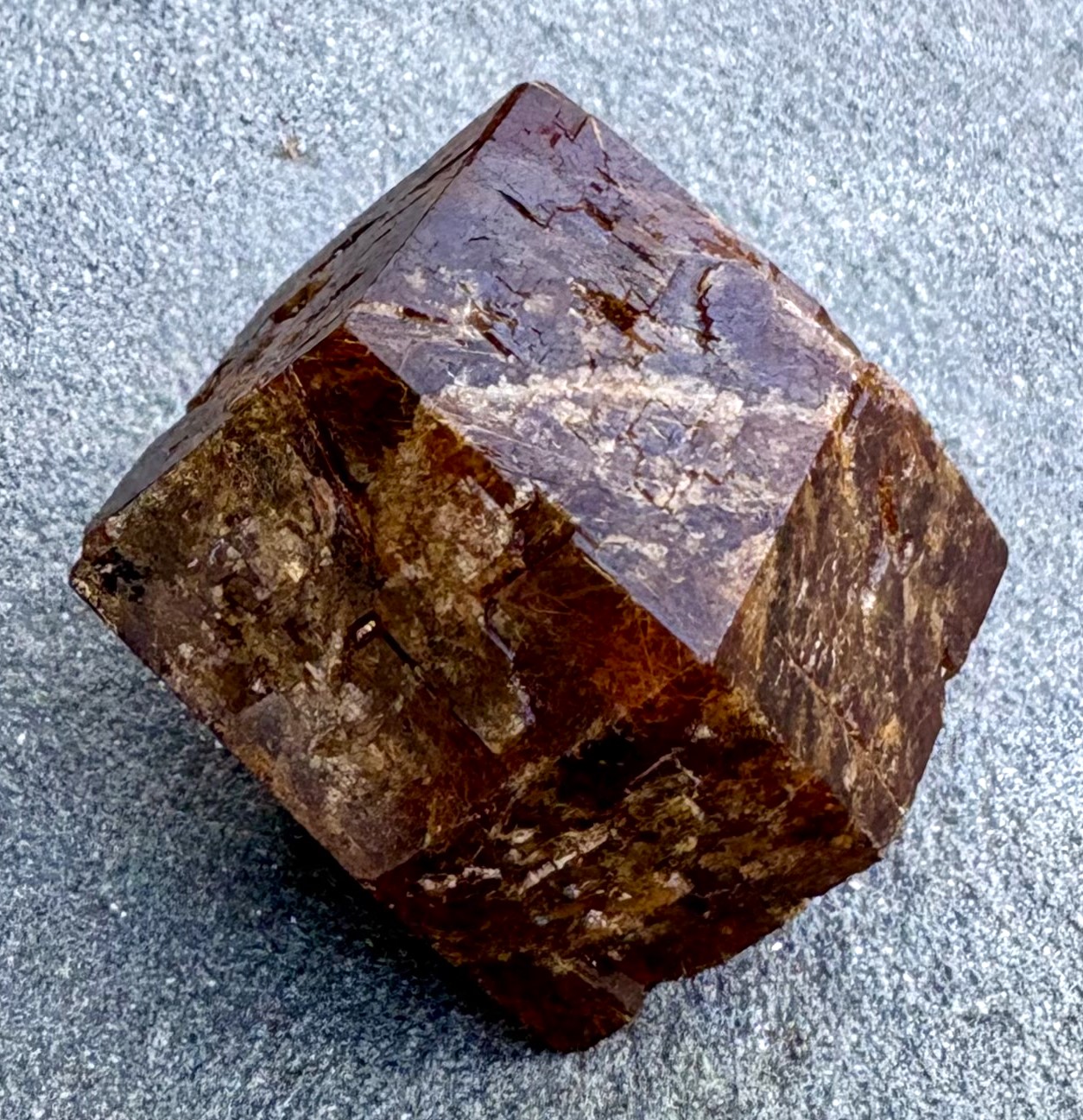
The model above is the first one I ever made. It’s not perfect, so don’t look at it too closely! Actually, all of these are relatively early models. Isometric forms are highly symmetric, and the repetition of shapes and angles made great practice for me as I was learning.
The rhombic dodecahedron is often modified by the trapezohedron. The combination of those two forms, about equally developed, is classic for garnet, and crystals from Wrangell, Alaska, are famous examples. I had trouble finding one for sale at the small town mineral shows I went to as a kid, but when we took a cruise to Alaska when I was a teenager, I made finding one of these garnets an essential task. The one I found is shown below with its model.
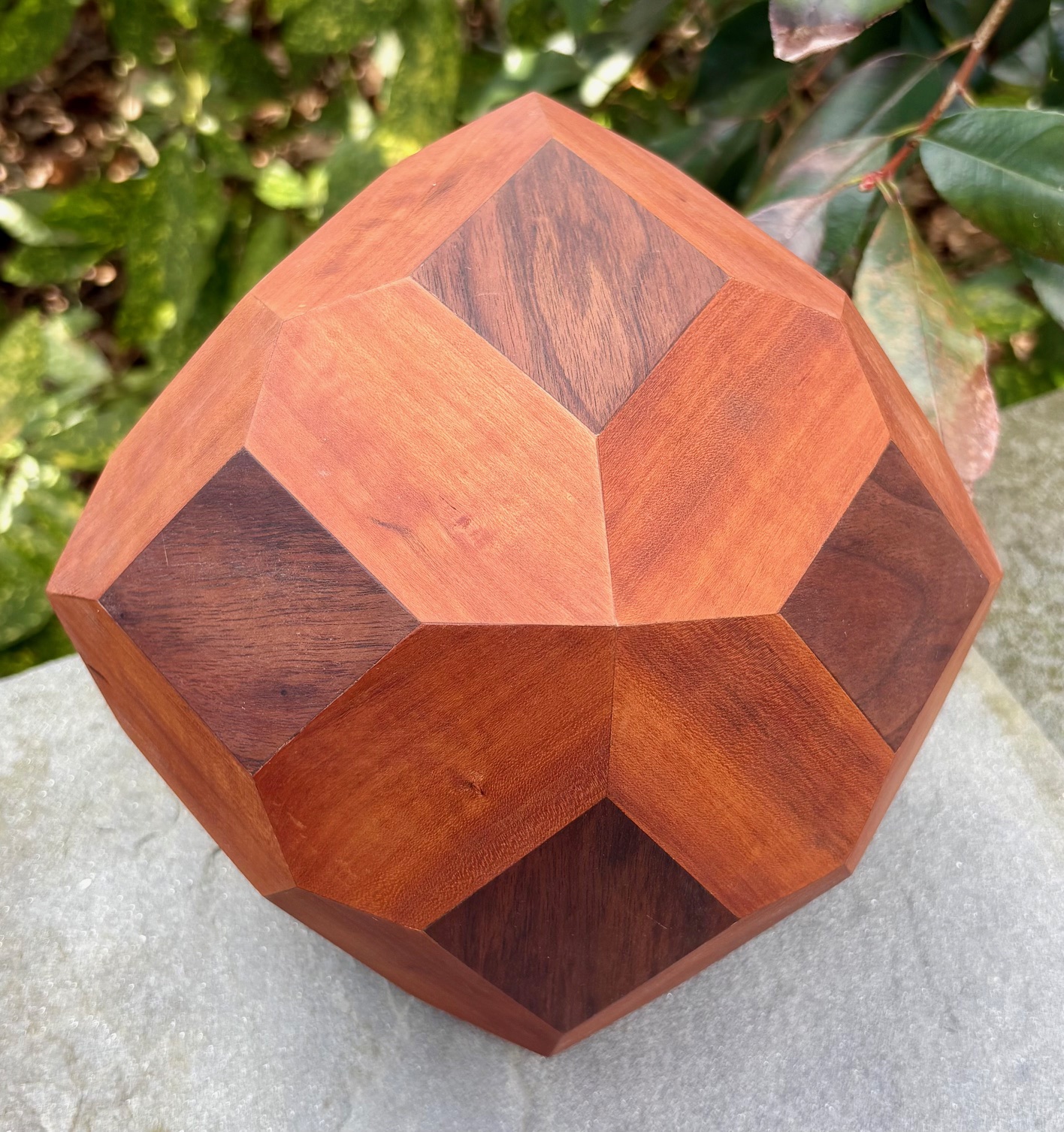
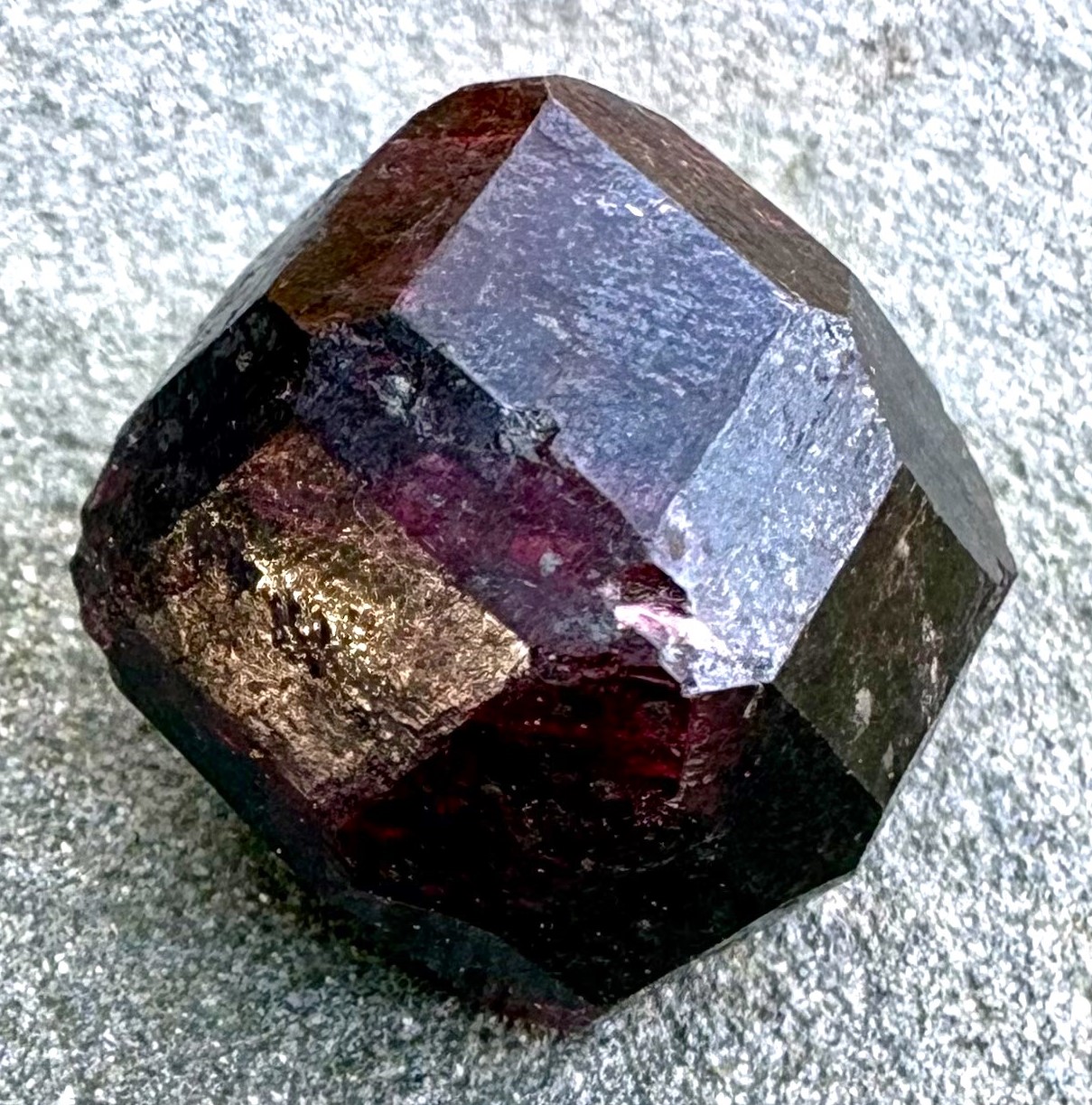
When these two forms combine, they can occur in any proportion. When the trapezohedron dominates, the crystals look like those below.
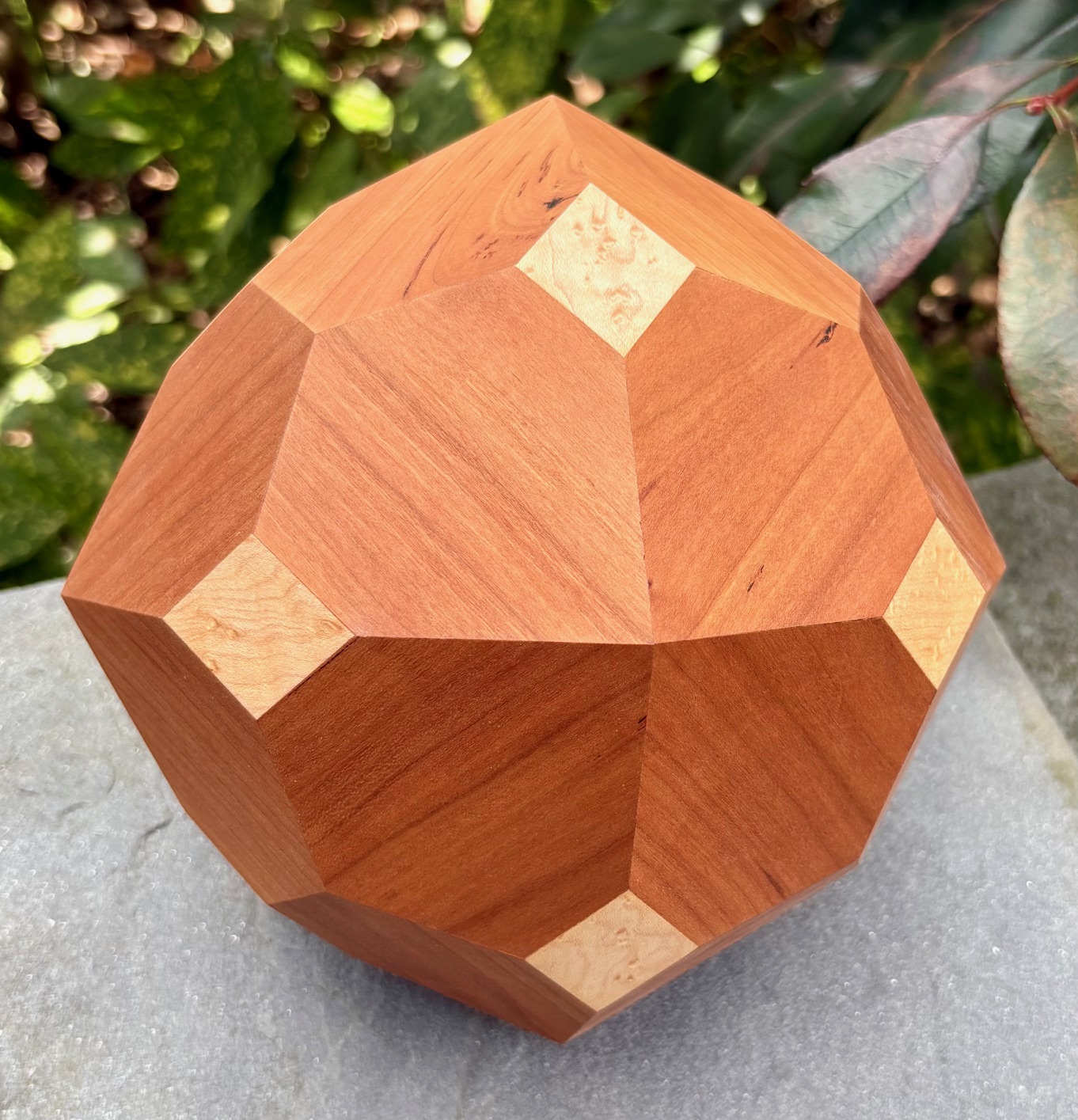
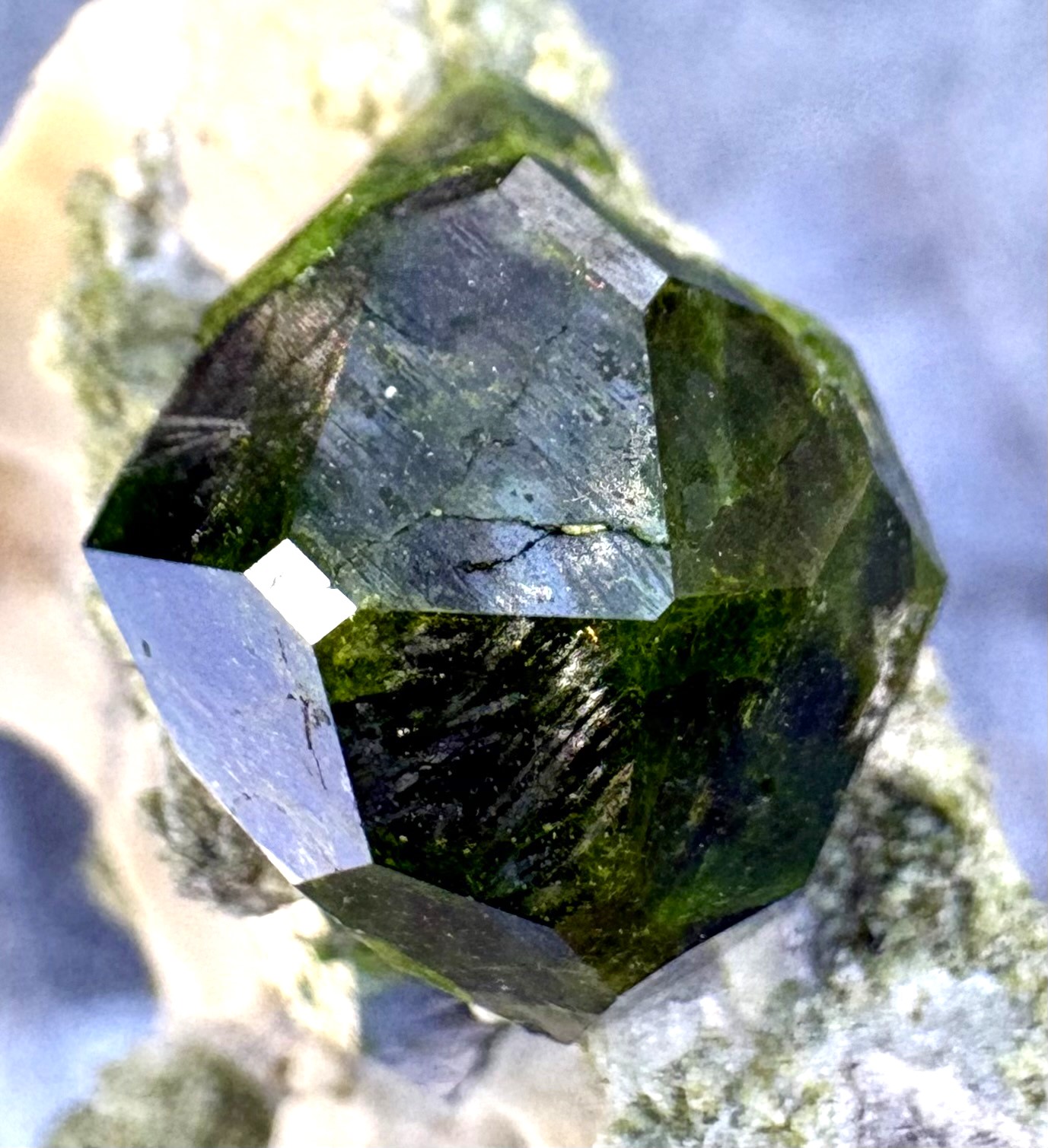
Finally, it’s not uncommon for the trapezohedron to occur alone, resulting in crystals like this.
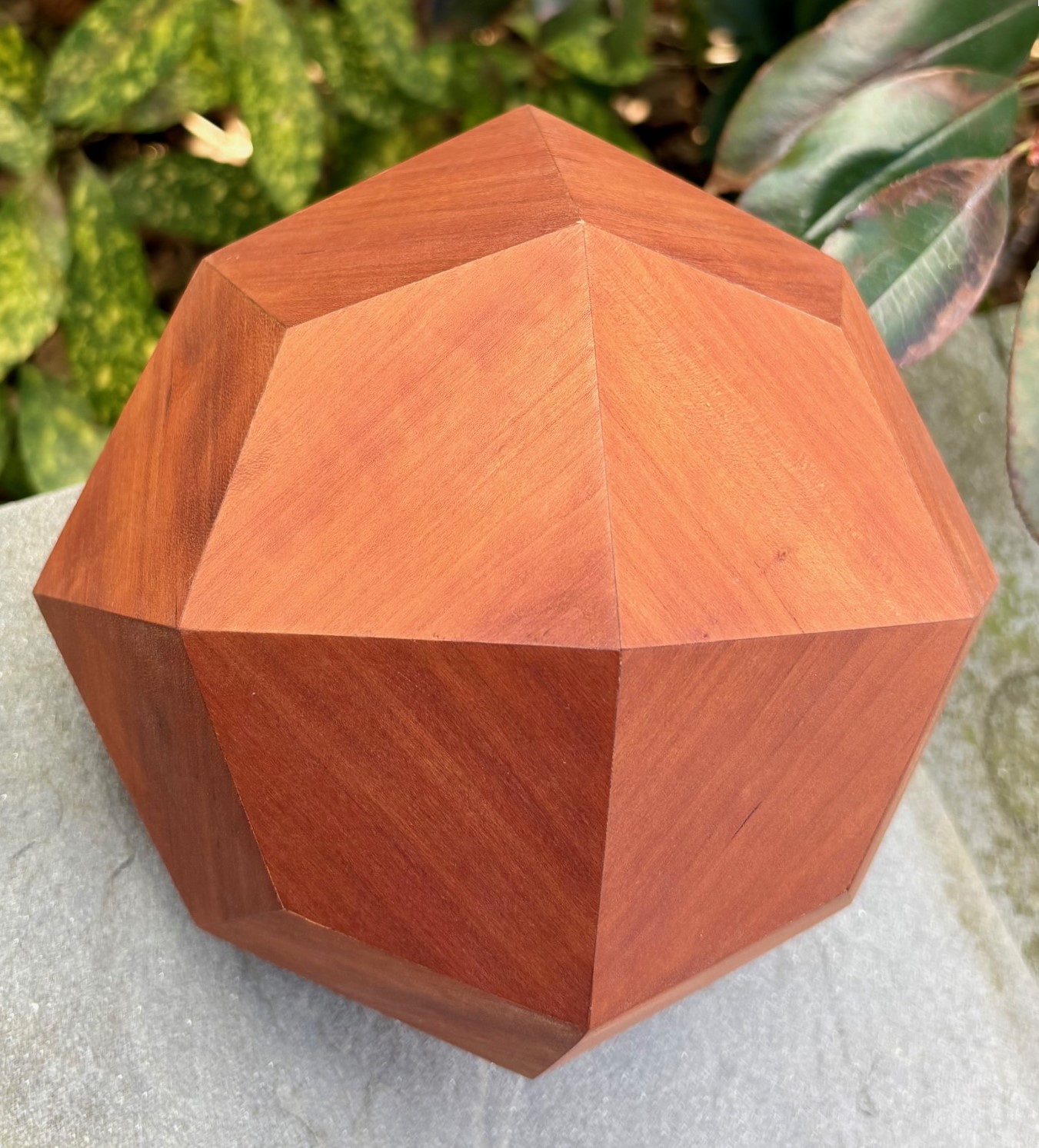
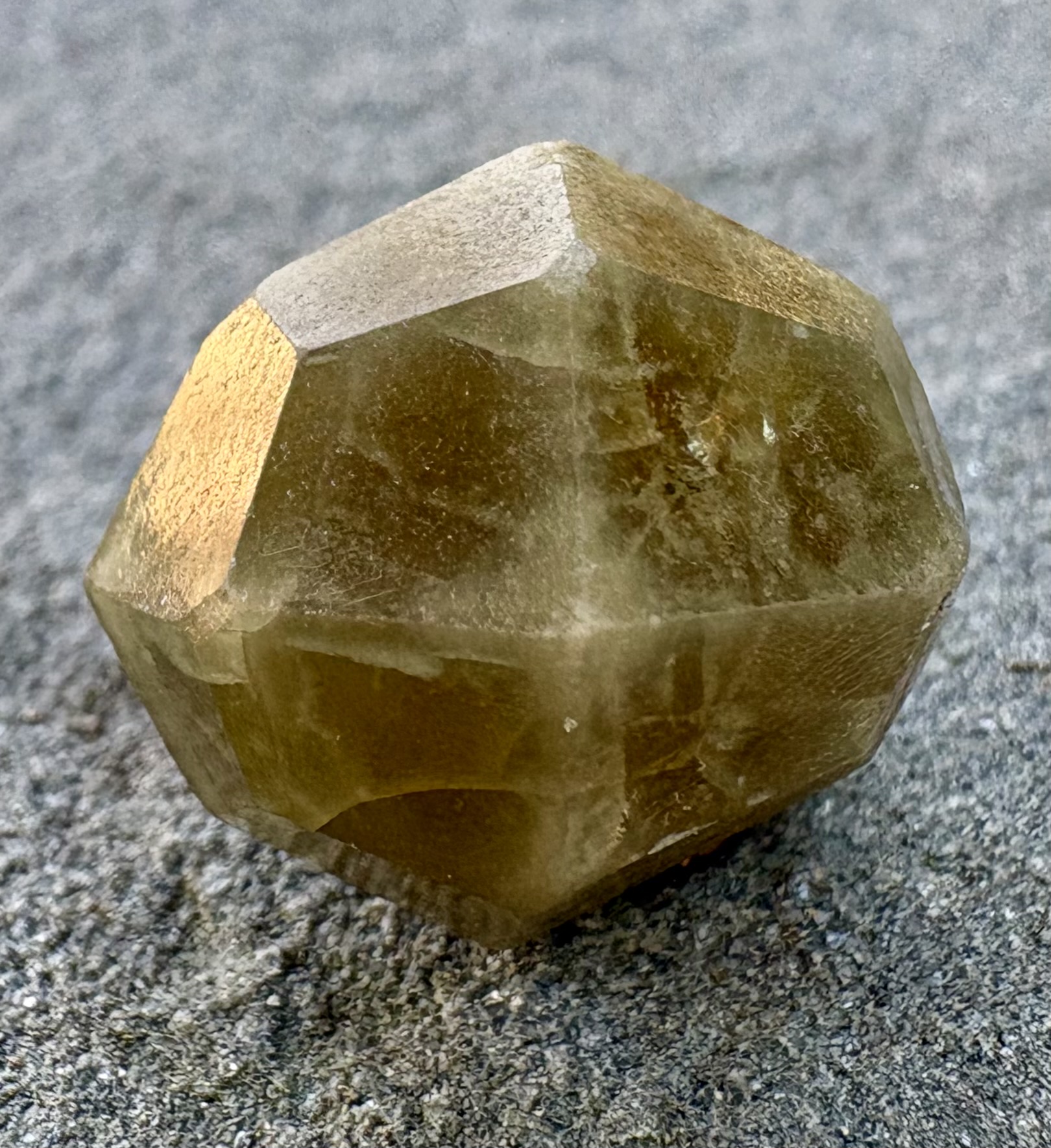
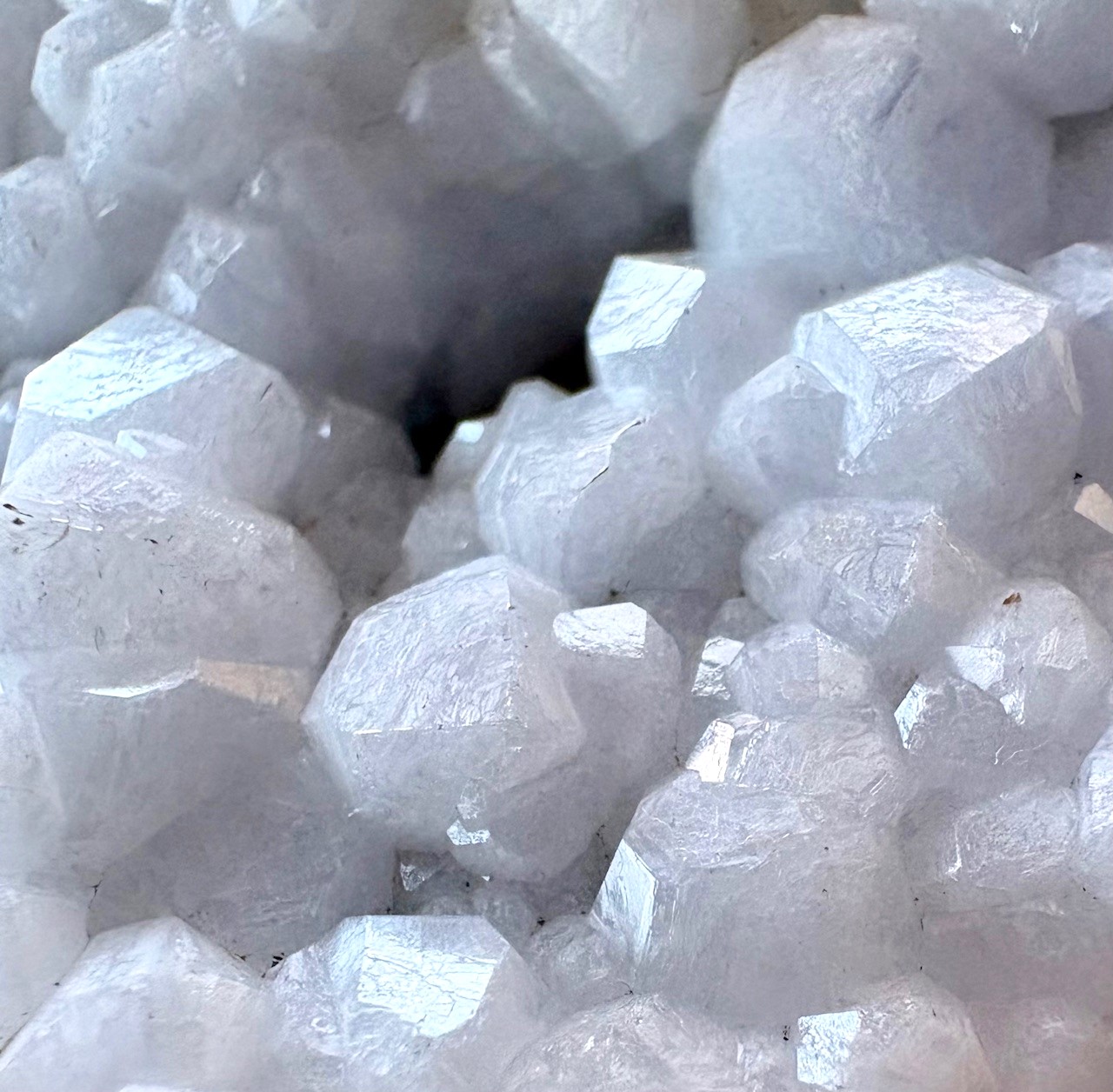
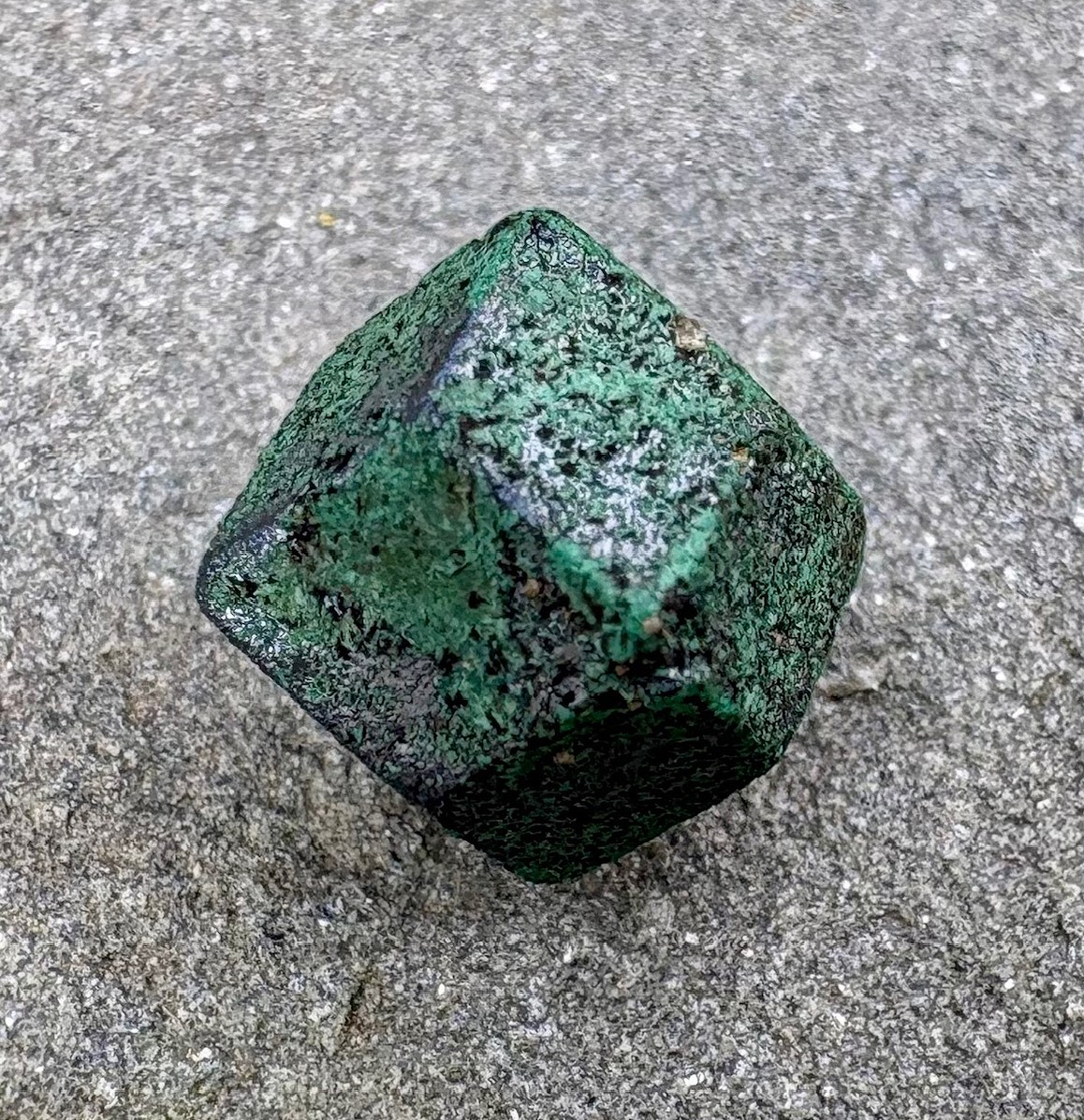
All of these specimens are garnets, and the members of the garnet group are probably the most common minerals that show these forms. But there are many others. Here are two examples of minerals with the same forms - analcime trapezohedra and a cuprite dodecahedron.
If you like garnets, you can see some complex garnet models here and here. And here is an interesting example of a dodecahedron/trapezohedron combination that’s stretched out along a 4-fold axis. As a collector, I’m drawn to garnet crystals, and have made a lot of models of them. There will be another coming relatively soon - I just got a new garnet specimen with small cube faces - a rare form for garnet!
Model details:
Rhombic dodecahedron model - 5" across points. Black locust.
Dodecahedron/Trapezohedron combo - 10" across points. Dodecahedron faces are black walnut, trapezohedron faces are cherry.
Trapezohedron with small dodecahedron faces - 7.5" across points. Trapezohedron faces are cherry, dodecahedron faces are birdseye maple.
Trapezohedron - 8" across points. Cherry.
Specimen details - listed in order of appearance:
Andradite garnet dodecahedron. Daikon, Kayes Region, Mali. 3.7 cm.
Almandine garnet dodecahedron/trapezohedron combination. Wrangell, Alaska. 2.2 cm.
Demantoid garnet trapezohedron with dodecahedral modificaions. Soghan, Arzuiyeh County, Kerman Prov., Iran. 1.4 cm.
Grossular garnet trapezohedron. Chernyshevsk, Viluy River, Sakha - Yakutia, Russia. 1.6 cm.
Analcime trapezohedra. Cornwall, Lebanon Co., PA. Crystals to 0.8 cm on matrix.
Cuprite dodecahedron with partial surface alteration to malachite. Chessy Copper Mines, Chessy-les-mines, Villefranche, Rhone, Auvergne-Rhone-Alpes, France. 1.3 cm.